


Kava, also known as kava kava, is a popular herbal extract and beverage found in specialty kava bars, healthy food stores, herbal shops, supermarkets, and online retailers. While it is not considered an addictive drug, it does hold the potential risk of contaminated products and severe health concerns regarding liver health.
What is Kava?
Kava is extracted from Piper methysticum, the kava tropical plant native to the South Pacific Islands. It was initially used in the islands during ceremonies to promote relaxation. Kava has since been introduced in the U.S. as a beverage popular for its calming and sedative effects. It has also been used in the treatment of anxiety and nervous disorders in Europe. In the United States, kava has evolved as an anti-anxiety herbal beverage, a natural alternative to sleeping pills and anti-anxiety medications like Xanax and Valium.
Kava products commonly have the names kava kava, ava, awa, ava pepper, intoxicating pepper, kava root, kawa, and kava pepper.
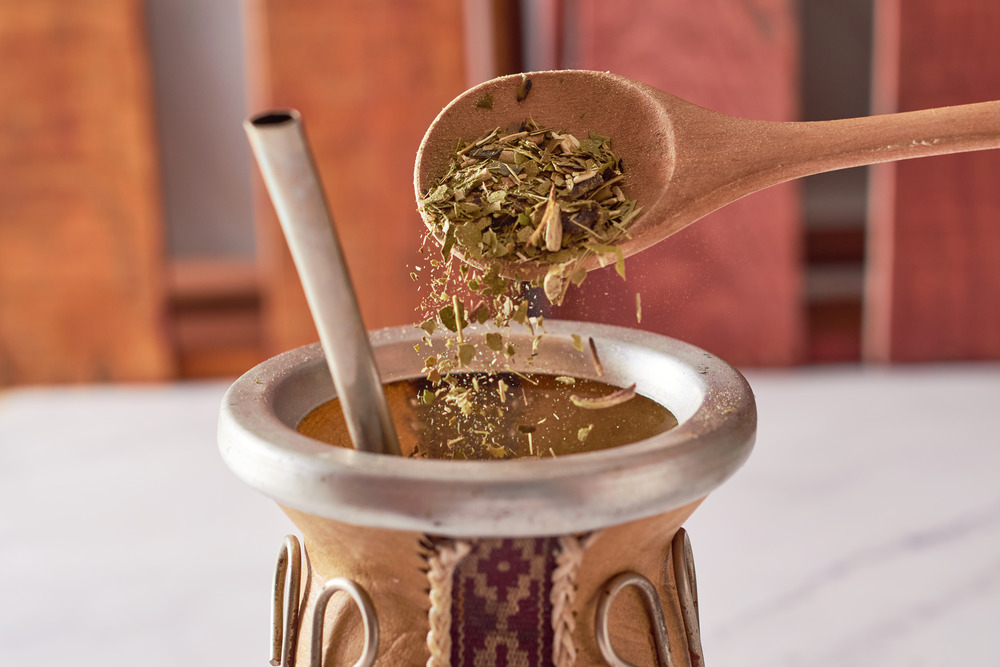
While kava is legally sold as a dietary supplement in the United States, it does have psychoactive properties. Kava’s psychoactive effects emanate from its main compound, “kavalactones.”Kavalactones have been associated with adverse effects on the liver, potentially leading to hepatotoxicity and carcinogenicity.
The immediate side effects of kava typically include:
- Relaxation
- Sedation
- Analgesia
- Anxiety relief
- Muscle relaxation
- Mild euphoria
- Stress relief
- Headaches
- Dizziness
- Feeling sluggish
- Low mood
- Depression
- Nausea and diarrhea
- Numbness in the mouth, tongue, or throat
The short-term use of kava does not hold a high risk. However, kava’s long-term effects can be more concerning. The abuse of both licit and recreational kava products can cause severe and potentially fatal damage to the liver.

Kava’s Potential for Abuse and Addiction
While kava does hold the potential for abuse due to its anxiolytic and analgesic effects, it is not generally habit-forming. Kava does not lead to tolerance or dependence, meaning that chronic users don’t require a higher dose to achieve the same effect. In regards to kava addiction, kava does not have the same addictive properties as opioids and stimulants. Most kava users do not experience cravings for it or compulsive behaviors that are typically associated with addiction or substance use disorders (SUDs).
The Long-Term Effects of Kava Abuse
When kava is consumed in large quantities over an extended period, it can lead to some severe physical, dermatological, and neurological health concerns. Kava abuse in the long term can precipitate liver damage, kava dermopathy, digestive problems, mental health issues, and cognitive impairments.
Liver Damage and Toxicity
One of the most concerning long-term effects of kava use is the risk of severe liver injury and damage. Different types of liver damage caused by kava abuse include cirrhosis, hepatitis, liver failure, and death. Kava can lead to hepatotoxicity, also known as liver toxicity, which is caused by exposure to harmful substances or herbal compounds that can be found in kava products. Commercial products of kava extract, specifically anxiolytic ethanolic and acetonic extracts, have been linked to elucidating the development of kava-induced liver injury and liver disease.
Dermatological Issues: Kava Dermopathy
Kava misuse and abuse can lead to dermatological issues, including dry, scaly, or yellow skin. The dermatological impact of chronic kava abuse is also known as kava dermopathy, a skin condition characterized by dry or scaly skin. Jaundice is the yellow discoloration of the skin and eyes, which occurs in kava users due to its toxic effects on the liver. Kava’s impact on the skin is thought to result from its effects on cholesterol metabolism, which are typically reversible when stopping use.
Gastrointestinal Issues
Another long-term effect associated with chronic kava abuse is its impact on the gastrointestinal system. Some kava users report nausea, upset stomach, and indigestion after consuming high doses of kava. The effects of kava heavily rely on the preparation method and dosage, as higher doses or impure mixings can lead to dangerous side effects and symptoms.
Neurological Effects
Long-term kava use can impair neurological functions, potentially leading to fatigue, apathy, and cognitive impairments. Kava is a central nervous system (CNS) depressant, producing similar effects to that of alcohol. The kavalactones alter nerve signals, decrease excitatory neurotransmitters, and reduce dopamine and noradrenaline uptake. These neurotransmitters are crucial in cognitive function, arousal, attention, mood, and motivation. Kava addiction can cause users to feel sluggish, experience low mood, poor mental health, and reduced life satisfaction.

Cognitive Impairments
In relation to kava’s neurological effects, chronic kava consumption can also facilitate mild cognitive impairments. High levels of kava consumption may impair cognitive performance, potentially affecting attention span, memory, and reaction times. While its impact is not as strong as alcohol’s effects on cognitive function, kava abuse can cause mild cognitive dysfunction.
Kava Addiction and Withdrawal
While kava is not an addictive substance and does not typically lead to physical dependence, some users may develop a psychological dependence. They may become dependent on its anxiolytic effects to reduce feelings of anxiety, stress, or nervousness. As a result of no potential for dependence or addiction, the risks for kava withdrawal are predominantly low.
Drug Detox Treatment for Drug Addiction in Stuart, FL
If you or someone you love is struggling with substance misuse or drug abuse, Coastal Detox is here for you. Our drug and alcohol detox programs in South Florida treat opioid addiction, alcohol abuse, and fentanyl addiction.
Contact us to get in touch with one of our addiction professionals and get into detox today!
References:
- Journal of Environmental Science and Health: Carcinogenesis and Ecotoxicology Reviews, 2008. Toxicity of Kava Kava.
- Neural Regeneration Research, 2015. Neuroprotective properties of kavalactones.
- GoodRx Health, 2023. What Is Kava and Are There Health Benefits to Drinking It?
- National Library of Medicine, 2022. Drug-Induced Hepatoxicity.
- PubMed, 2010. Kava hepatotoxicity: pathogenetic aspects and prospective considerations.
- National Center for Complementary and Integrative Health, 2020. Kava.
- PubMed, 1994. Kava dermopathy.
- UCLA Health, 2018. Ask the Doctors – What are the risks and benefits of kava?
- Better Health Channel, 2022. Kava.
- Drug Enforcement Administration, 2019. Kava.


